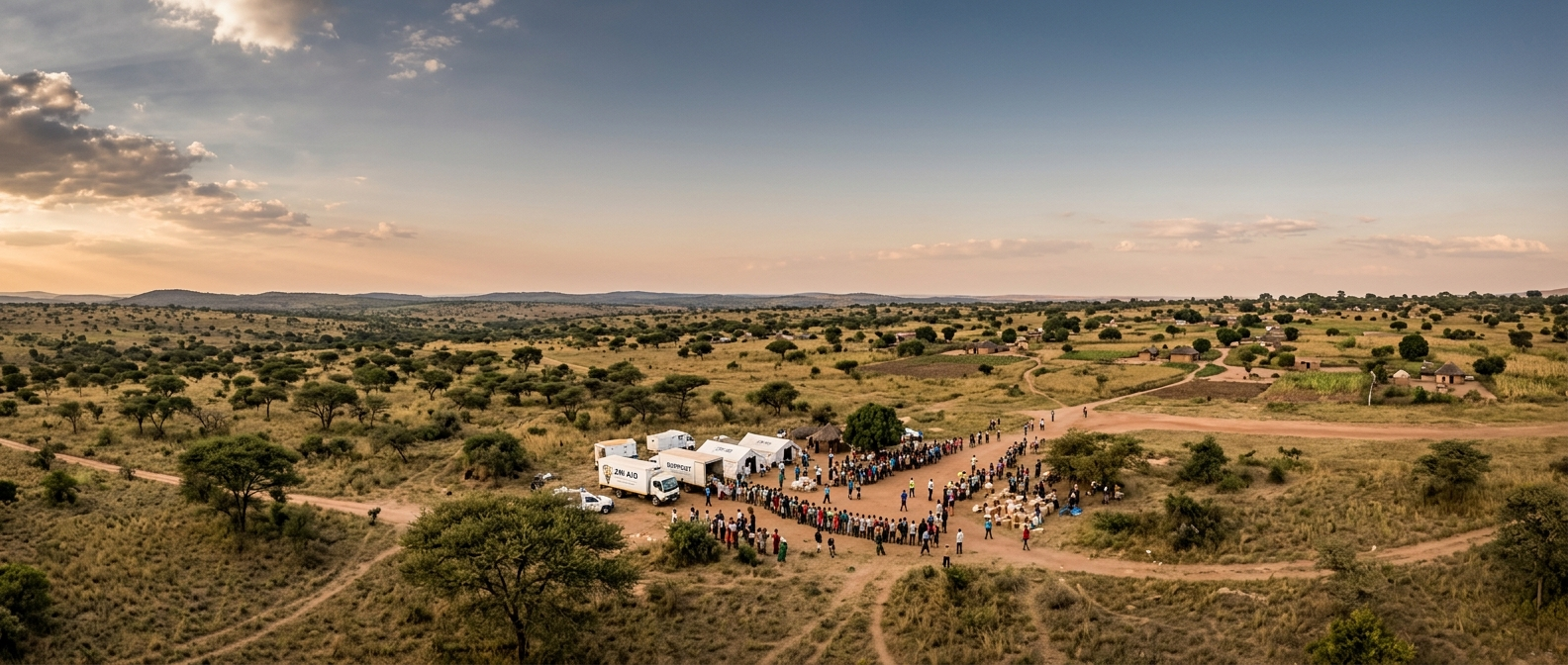
PHI works in Zimbabwe's most climate-vulnerable and conflict-affected districts, building resilience and restoring dignity one community at a time.
4
Active Districts
50,000+
Beneficiaries Reached
12+
Community Programmes
7
Years of Operation
Matabeleland North
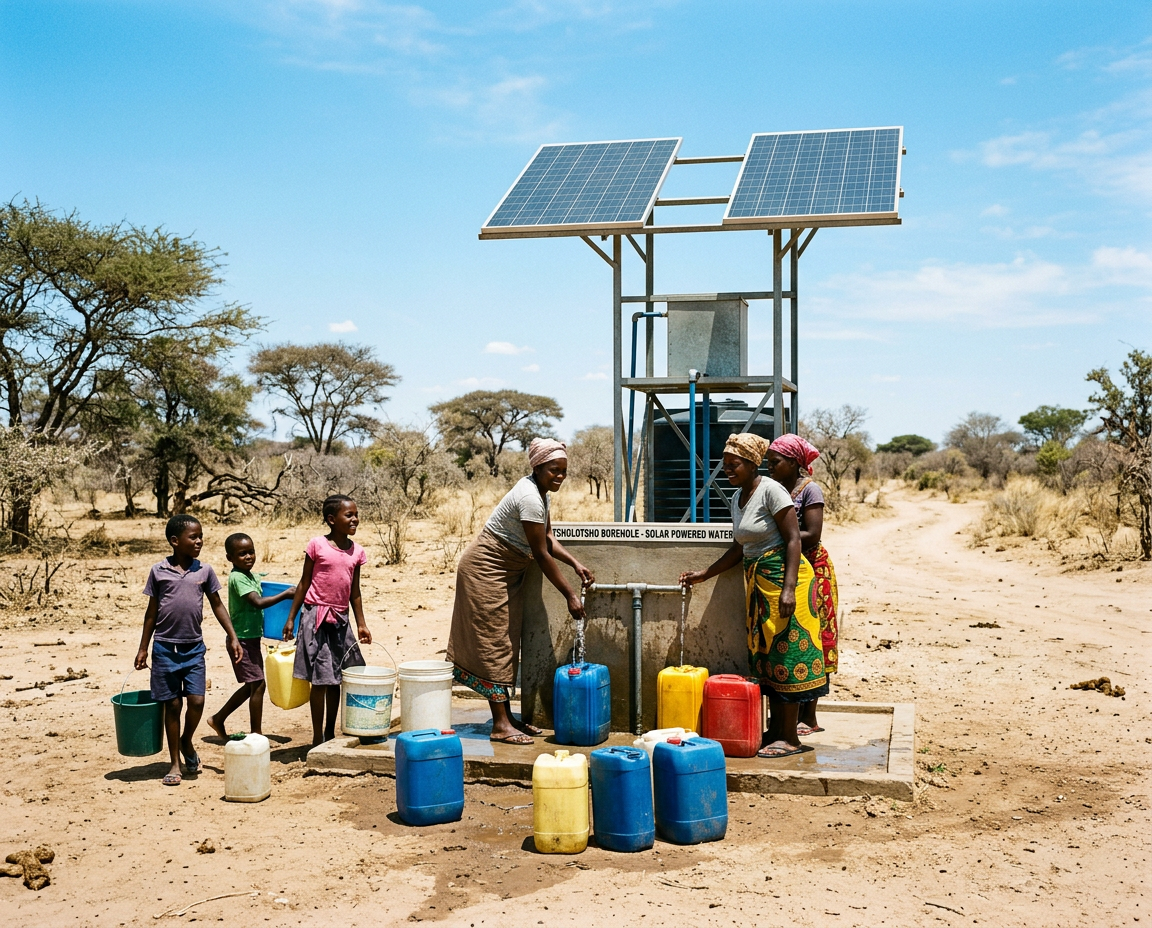
Tsholotsho sits in Zimbabwe's driest corridor, where erratic rainfall, recurring droughts, and periodic flooding have devastated subsistence farmers and left thousands dependent on food aid. PHI's integrated resilience programme addresses both the immediate and structural drivers of vulnerability.
Working closely with village and ward-level disaster management committees, PHI supports communities to anticipate shocks, diversify livelihoods, and access clean water — breaking the cycle of dependence.
Manicaland Province
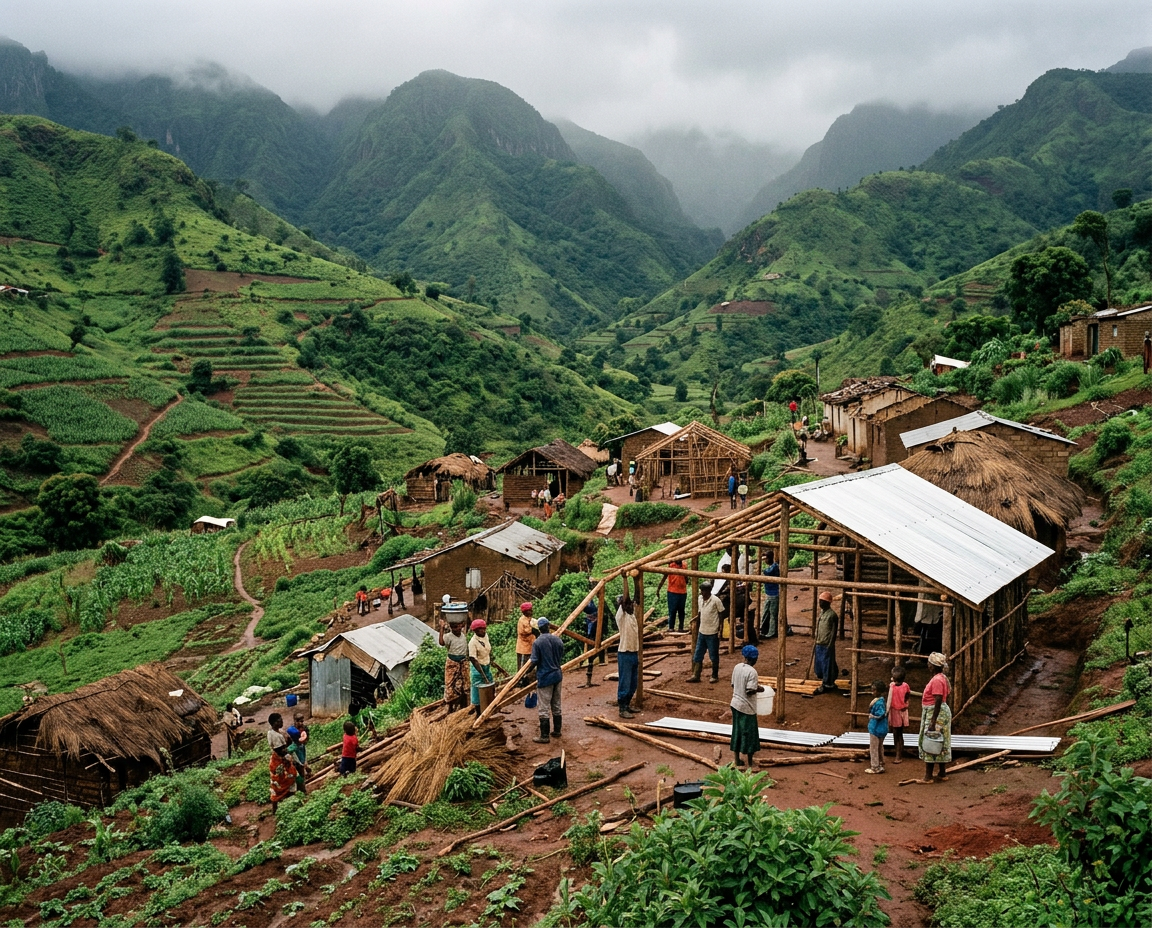
Cyclone Idai (2019) and subsequent tropical storms left Chipinge and Chimanimani communities in a protracted recovery, with landslides destroying roads, homes, farmland, and critical infrastructure. PHI's response spans emergency relief through to long-term preparedness.
PHI invests in community preparedness structures so that when the next cyclone season arrives, families know what to do, where to go, and how to protect their livelihoods — reducing both casualties and economic losses.
Matabeleland South
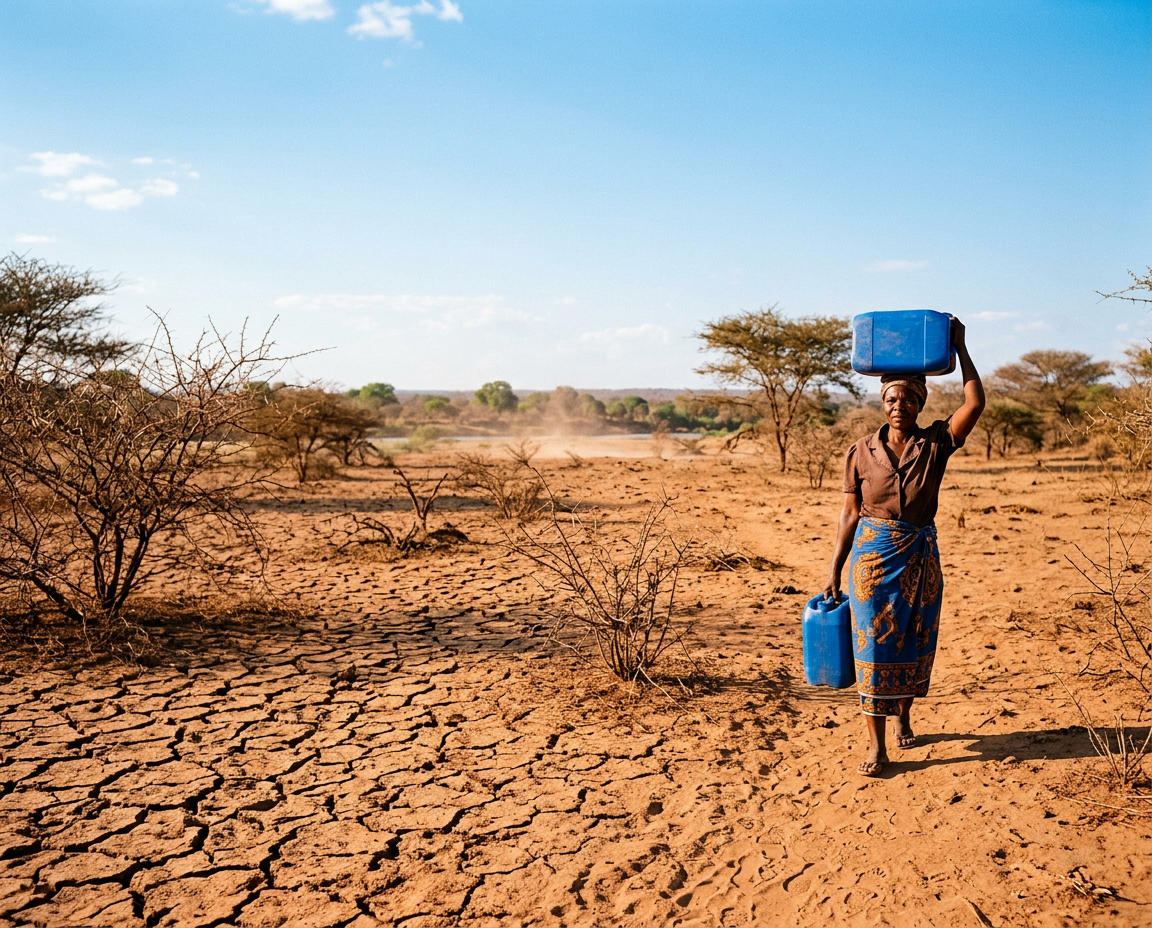
Beitbridge is Zimbabwe's southernmost district, sharing a long border with South Africa. Its semi-arid climate makes it one of the most drought-prone areas in the country. Communities here routinely face below-average rainfall, crop failure, and acute food insecurity — compounded by high migration as breadwinners seek work across the border.
PHI's Beitbridge programme focuses on immediate drought response while building long-term water security and nutrition outcomes for the most vulnerable households, especially women-headed families and young children.
Mashonaland Central
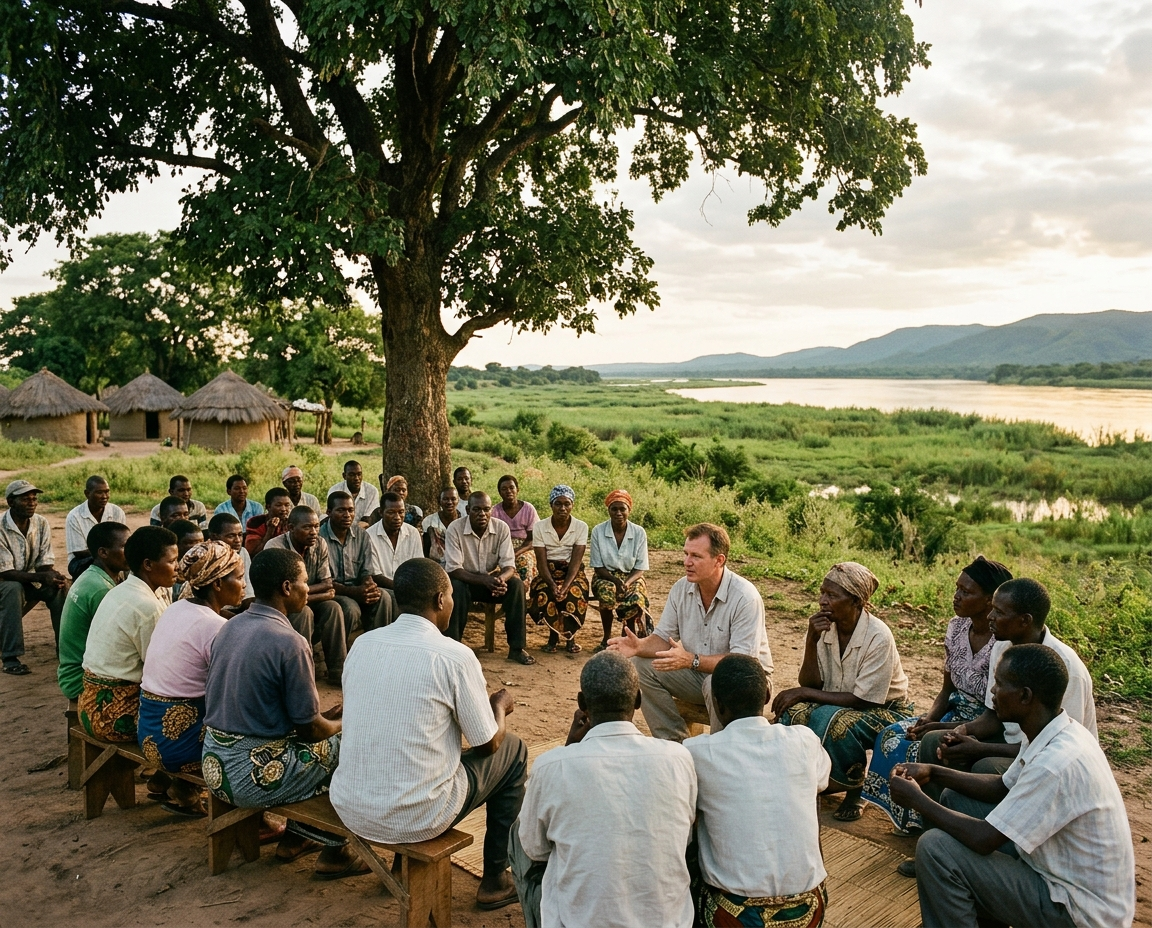
Mbire is one of Zimbabwe's most remote districts, situated in the Zambezi Valley. Communities here face a uniquely complex combination of challenges: seasonal flooding from the Zambezi River, resource-based conflicts between farmers and wildlife conservation areas, limited access to government services, and entrenched poverty.
PHI's integrated approach in Mbire simultaneously addresses humanitarian needs, natural resource governance, and community-based conflict resolution — recognising that sustainable peace and resilience cannot be achieved by addressing one challenge in isolation.
Every contribution helps PHI reach more families in Zimbabwe's most vulnerable communities. Choose an initiative or give where it's needed most.